If you have been told you need a dental implant but do not have enough jawbone, you may have heard about bone grafting in Cookstown. The idea of bone grafting might sound intimidating, but it is a proven procedure that helps thousands of people get the implants they need. Understanding what bone grafting is, why it is necessary, and how it works helps you make informed decisions about your dental care and move forward with confidence.
What Is Dental Bone Grafting?
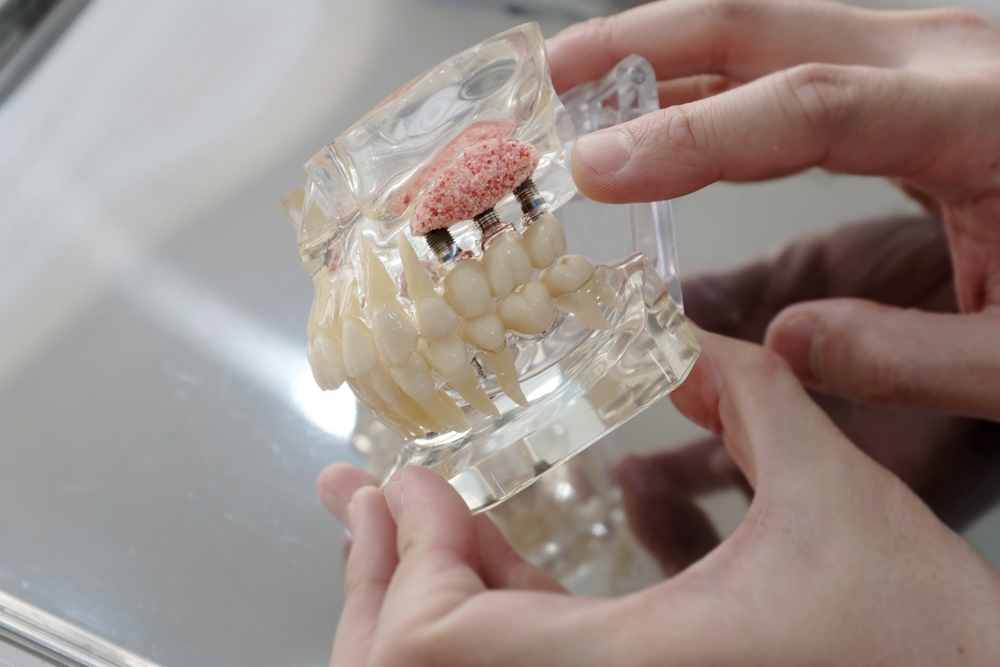
Dental bone grafting is a procedure where bone material is added to your jaw to build up the area where you need an implant. When you lose a tooth, the jaw bone underneath starts to shrink because it no longer gets stimulation from the tooth root. Over time, significant bone loss can make implant placement impossible.
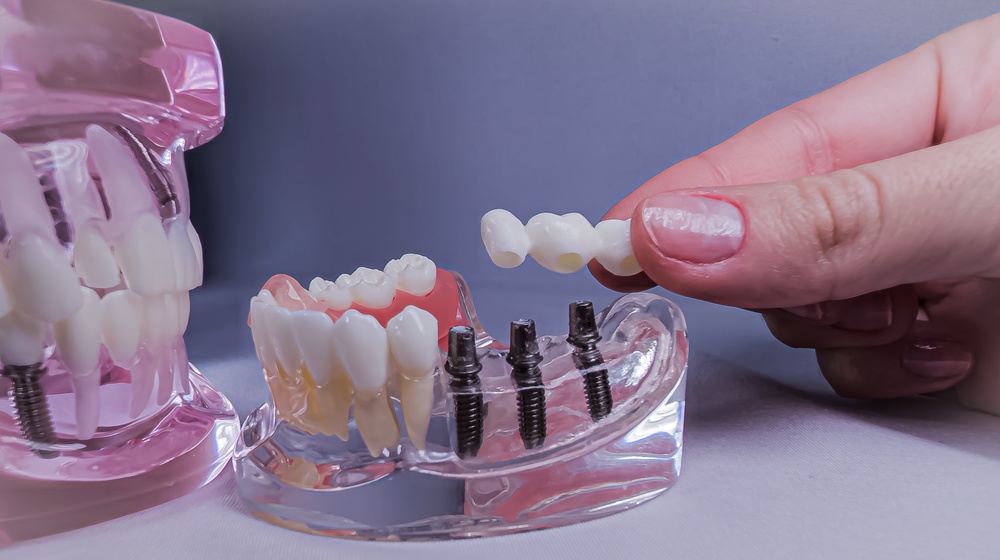
A bone graft rebuilds the bone, creating a solid foundation for an implant to attach to. The graft material can come from your own bone, donor bone, or synthetic material that acts like bone.
Why You Might Need Bone Grafting
When you visit a dental implants provider in Cookstown, they assess whether you have enough bone for implants.
You might need bone grafting for dental implants if:
- You have lost teeth and have not replaced them for a long time
- You have severe gum disease that damaged your bone
- You have an injury or accident that affected your jaw
- Your bone naturally did not develop fully
- You need implants but lack sufficient bone height or width
Without adequate bone, implants cannot be placed safely. Bone grafting solves this problem.
Types of Bone Graft Material
Several types of material can be used for bone grafting.
- Autografts use bone from your own body — usually from your hip or chin. This is the strongest option because your body recognizes it as your own bone.
- Allografts use bone from a donor. The bone is carefully processed and sterilized. Your body gradually replaces it with your own bone.
- Xenografts use bone from an animal source, usually a cow. It is processed so it is safe and acts as a scaffold for your new bone to grow.
- Synthetic grafts are man-made materials that encourage bone growth. They work well and eliminate the need for a second surgery to harvest bone.
How the Bone Grafting Procedure Works
The bone grafting process is straightforward. Your jaw is numbed with anesthesia so you feel no pain. The dentist makes a small opening in your gum and places the bone graft material where it is needed. The graft is held in place with a membrane or stitches.
The procedure typically takes one to two hours depending on how much grafting is needed. Most people go home the same day.
Recovery and Healing Time
After bone grafting, your jaw needs time to heal and integrate the new bone material.
Recovery involves:
- Some swelling and discomfort for the first few days
- Pain management with over-the-counter medication
- Soft foods for about one week
- Avoiding strenuous activity for several days
- Keeping the area clean and dry
Most people feel significantly better within one week and can return to normal activities within two weeks.
Time Until Implant Placement
The bone graft needs time to integrate and become part of your jawbone. This process typically takes three to six months. A dental implants specialist near Barrie may take X-rays during this time to monitor healing.
Once the graft has fully integrated and new bone has formed, you are ready for implant placement.
Rebuild Your Jaw and Restore Your Smile — Visit My New Teeth
Bone grafting opens the door to dental implants for people who thought implants were impossible. With modern grafting techniques, most people successfully get the implants they need and enjoy the benefits for life.
At My New Teeth, the team is experienced in bone grafting and implant placement. Book your consultation today and discover whether bone grafting and implants are right for you.
Frequently Asked Questions
Q1: Is bone grafting painful?
Although the procedure itself is painless, the area is numb. Experiencing pressure and vibration is a possibility. It is common to feel discomfort after the procedure, although it is managed by pain medications.
Q2: How successful is bone grafting?
Bone grafting has a high success rate — typically 95 percent or higher. Most grafts integrate well and provide a solid foundation for implants.
Q3: Can I have implants without bone grafting?
In some cases, yes. If you have adequate bone, implants can be placed without grafting. Your dentist assesses your bone structure to determine if grafting is necessary.
Q4: Will my implant be as strong as a natural tooth?
Yes. Once your implant is placed and integrated, it functions just like a natural tooth and is just as strong.
Q5: What if I do not want bone grafting?
Without adequate bone, implants cannot be placed safely. Your dentist can discuss alternative options like dentures or bridges if you prefer not to have bone grafting.