Have you been looking for a long-lasting way to replace multiple missing teeth and restore your ability to eat and smile more comfortably? If you are exploring dental implant bridges in Cookstown, learning how this treatment works can help you make a more informed decision. A dental implant bridge is designed to replace several missing teeth by attaching a custom-made bridge to dental implants placed in the jawbone. This approach can provide stable support for replacement teeth while helping maintain everyday function.
Understanding the treatment process, its benefits, and who may be a suitable candidate can help you decide whether this option aligns with your oral health needs and treatment goals.
What Is a Dental Implant Bridge?
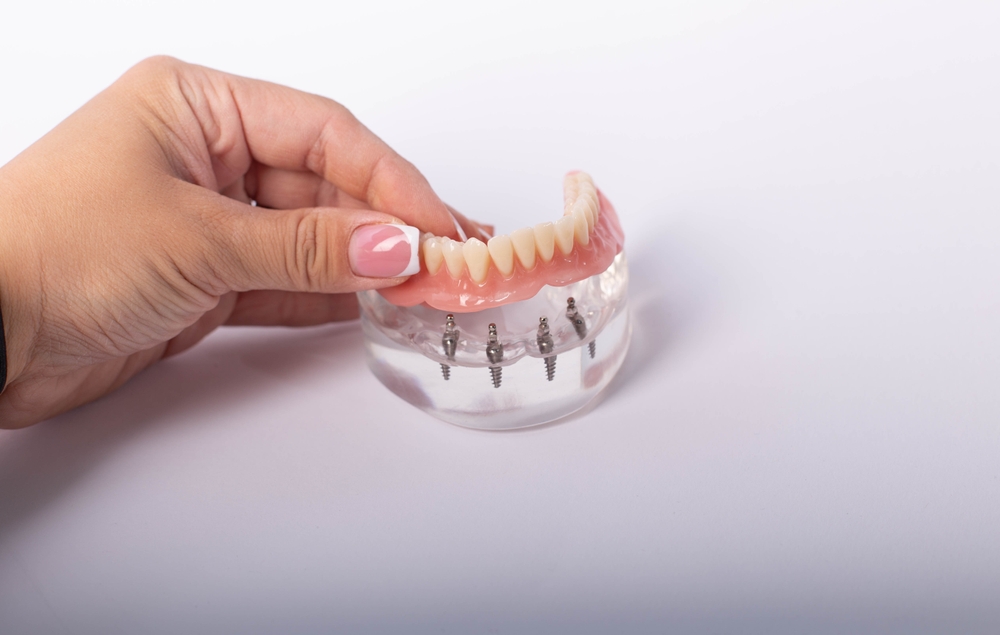
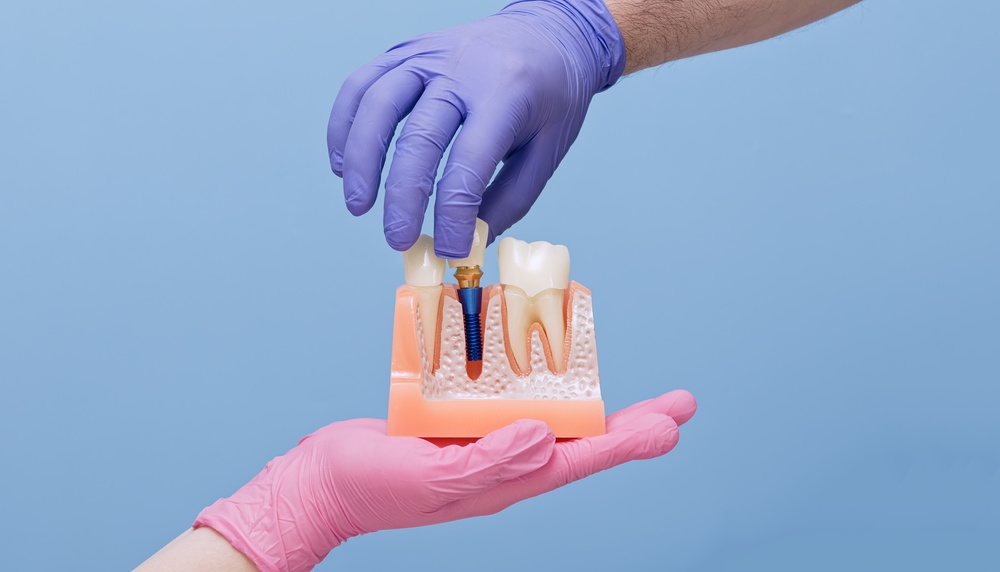
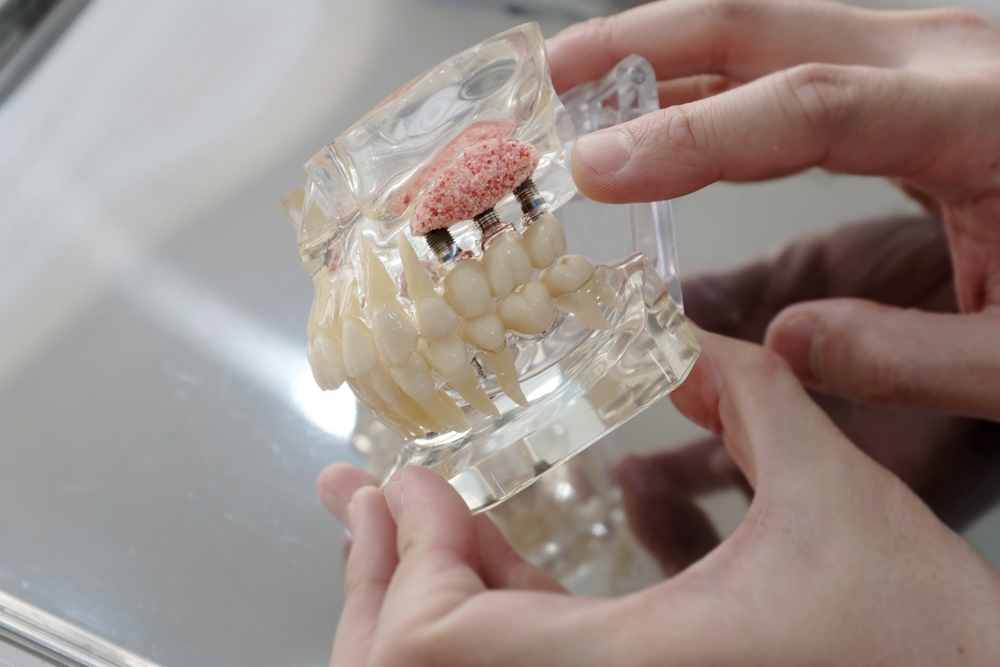
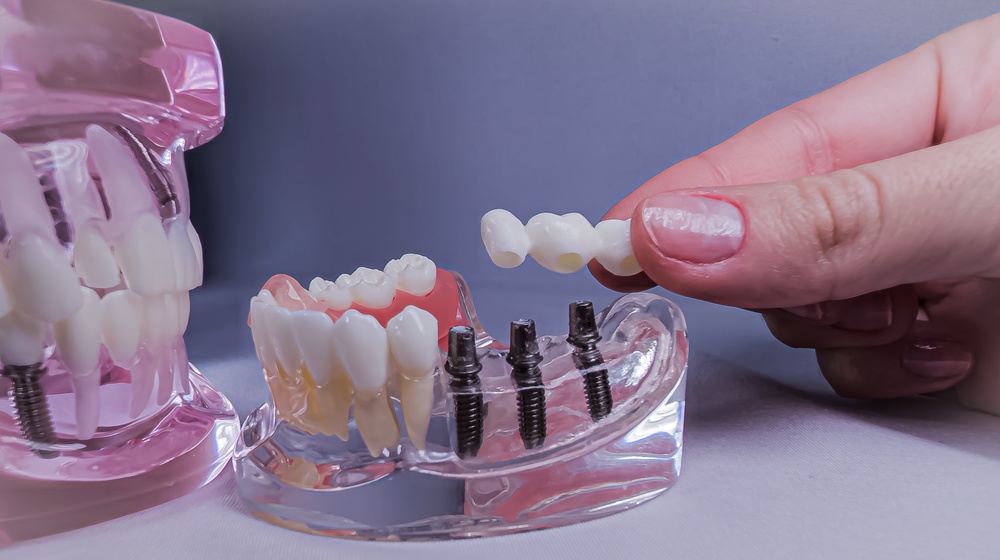
A dental implant-supported bridge is a replacement for several missing teeth that is supported by dental implants instead of natural teeth. The implants act as artificial tooth roots, helping hold the bridge securely in place.
This treatment may be recommended when:
- Several teeth are missing in the same area.
- The surrounding natural teeth are healthy.
- A removable denture is not the preferred option.
- The jawbone is healthy enough to support implants.
Your dentist will determine whether this treatment is appropriate after a complete dental evaluation.
How Does the Dental Implant Bridge Process Work?
The treatment is completed in several stages to allow proper healing.
Dental Consultation
The dentist examines your mouth, reviews X-rays or digital scans, and discusses your treatment options.
Implant Placement
Dental implants are placed into the jawbone. Healing time varies because the bone needs time to bond with the implants.
Healing Period
Over the next few months, the implants gradually become stable within the jawbone. Your dentist monitors healing during follow-up visits.
Bridge Placement
Once healing is complete, the custom-made bridge is attached to the implants, restoring the appearance and function of the missing teeth.
Who May Be a Good Candidate for a Dental Implant Bridge?
Not everyone is automatically a candidate for implant treatment. A detailed examination helps determine whether the jawbone and gums are healthy enough to support dental implants.
A dental implants provider near you may evaluate:
- Overall oral health
- Gum condition
- Jawbone quality
- Number and location of missing teeth
- General health history
In some situations, additional treatment may be recommended before implant placement.
What Are the Benefits of a Dental Implant Bridge?
Dental implant bridges offer several potential advantages when replacing multiple missing teeth.
These may include:
- Stable support for replacement teeth
- Improved chewing ability after healing
- A natural-looking smile
- No need to rely on adjacent healthy teeth for support
- Long-term replacement option with proper care
Treatment outcomes vary depending on individual oral health and ongoing maintenance.
How Do You Care for a Dental Implant Bridge?
Taking good care of your mouth is important to keep your dental implants and gums healthy.
Helpful care tips include:
- Brush your teeth twice a day.
- Clean around your implant bridge as your dentist shows you.
- Floss or use other cleaning tools recommended by your dentist
- Visit your dentist for regular checkups.
- Avoid chewing on hard things like ice or pens.
Good daily care can help keep your gums healthy and support your implant bridge for many years.
How Is an Implant Bridge Different from a Traditional Bridge?
Although both treatments replace missing teeth, they work differently.
| Dental Implant Bridge | Traditional Bridge |
| Supported by dental implants | Supported by nearby natural teeth |
| Does not require reshaping healthy adjacent teeth | Usually requires preparation of neighboring teeth |
| Designed for long-term tooth replacement | Suitable in selected situations depending on oral health |
| Helps replace multiple missing teeth | Also replaces missing teeth but uses a different support method |
Your dentist can explain which option best matches your needs.
Why Is a Professional Evaluation Important?
Every patient’s oral health is different. Before recommending implant treatment, a dental implants specialist near Thornton will evaluate your teeth, gums, bite, and jawbone to develop an individualized treatment plan.
A complete dental examination helps your dentist find out:
- If dental implants are the right option for you
- How many implants you may need
- If your jawbone is healthy enough to support the implants
- If you need any other dental treatment before getting implants
Careful planning helps make your treatment safe and well-prepared.
Discover the Right Tooth Replacement Solution for Your Smile!
Are you ready to explore your options for replacing multiple missing teeth? A comprehensive dental consultation can help evaluate your oral health, discuss whether an implant-supported bridge is suitable for your needs, and explain each stage of the treatment process. Book an appointment with My New Teeth to receive personalized recommendations, clear guidance, and professional care tailored to your long-term smile goals.
FAQs
Who can get an implant bridge?
An implant bridge may be a good option if you have one or more missing teeth, healthy gums, and enough jawbone to support the implants. Your dentist will examine your mouth to see if this treatment is right for you.
How long does treatment take?
The timeline varies depending on healing, the number of implants placed, and whether additional procedures are needed before treatment.
Can I eat normally after getting an implant bridge?
Once healing is complete and your dentist approves, many patients gradually return to eating a wider variety of foods. Individual recommendations may vary.
How do I keep my implant bridge clean?
Daily brushing, cleaning around the bridge, regular dental visits, and following your dentist’s home-care instructions help maintain your implants and surrounding gums.