Yes, you can usually get dental implants even if you have osteopenia. While osteopenia means your bones are a bit thinner than average, they are usually still strong enough to hold an implant. A dentist will simply take a special X-ray to make sure your jawbone is thick enough to keep the new tooth steady and safe.
What is Osteopenia and How Does it Affect Teeth?
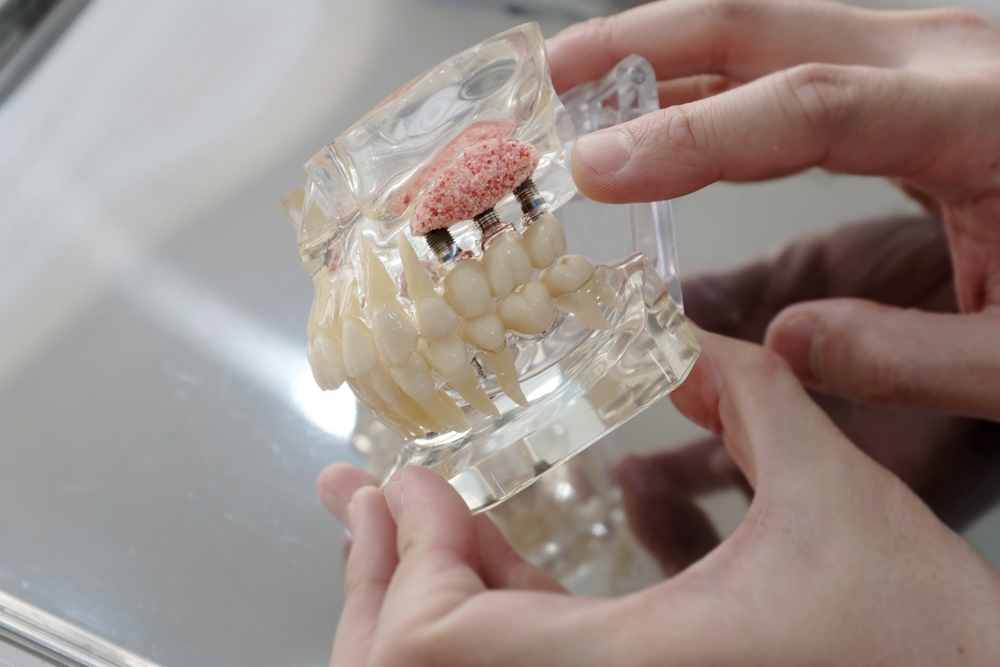
Osteopenia is a condition where your bones lose some of their strength, but it is not as serious as osteoporosis. Think of it like a piece of wood that is a little soft but still solid. Since a dental implant is like a tiny screw that acts as a tooth root, it needs a good “grip” on the bone to stay in place.
If you are looking for a dental implants provider near you, it is important to find someone who knows about bone health. They will check to see if your jaw is healthy enough for the treatment. Sometimes, they might suggest taking extra vitamins to help your bones stay tough while you heal.
How the Process Works for You
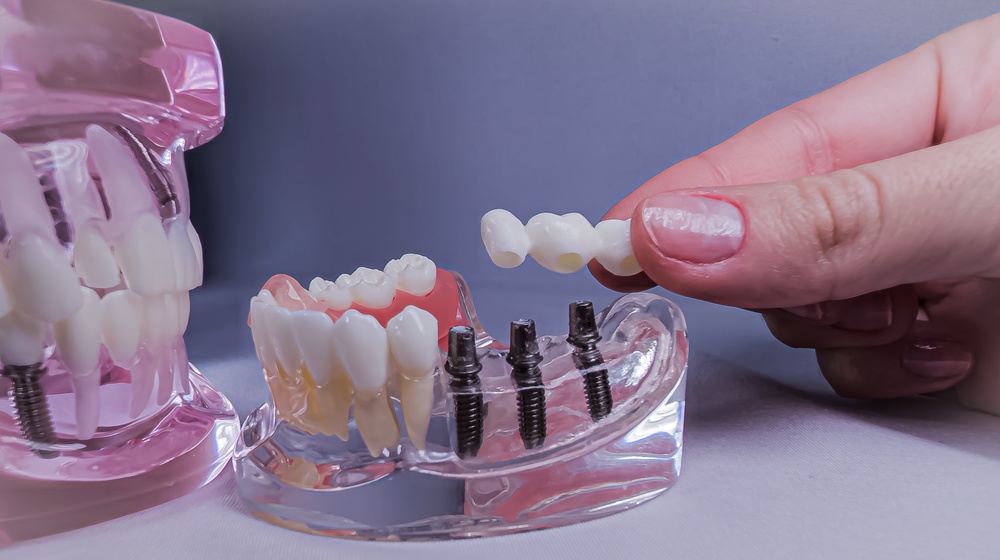
Getting multi dental implants in Cookstown is a very common way to fix a smile. If your bone is a little too thin, the dentist might suggest a “bone graft.” This sounds scary, but it just means adding a little bit of extra bone material to your jaw to make it a stronger base for your new teeth.
| Bone Type | Is it strong? | Healing Time |
| Normal Bone | Very strong | 3 to 4 months |
| Osteopenia Bone | Slightly thinner | 4 to 6 months |
| Osteoporosis Bone | Brittle | Requires extra care |
Safety and Success Rates
Most people are happy to learn about dental implant safety in osteopenia patients because the success rates are very high. As long as you are generally healthy, your body should be able to grow new bone around the implant. This process is what keeps the tooth from wiggling or falling out.
My New Teeth focuses on making sure every patient feels safe and comfortable. We look at your health history very carefully before we start. This helps us make a plan that works specifically for your bones, ensuring your new smile is both beautiful and very sturdy.
Helping Your Bones Heal Faster
There are simple things you can do at home to make sure your implants stay strong. Eating foods with lots of calcium, like cheese or leafy greens, helps your bones stay healthy. You should also try to walk or exercise, as moving your body actually tells your bones to stay strong.
It is also very important to keep your mouth clean. Brushing and flossing around your new implants keeps away germs that can make the bone weak. If you take care of your gums, the bone underneath will stay much healthier, which helps your implants last for a very long time.
Simple Steps to a Great Smile
You don’t have to settle for missing teeth just because your bones are a little thin. Modern dental technology has made it possible for almost anyone to get a permanent, bright smile. By taking things one step at a time and working with an expert team, you can eat your favourite foods and smile with total confidence again.
My New Teeth is here to help you understand all your options for a better smile. We take pride in being gentle and explaining everything in plain English so you never feel confused. If you have been worried about your bone density, come talk to us.
We would love to show you how we can help you get the smile you deserve in a safe and professional way.
Frequently Asked Questions
Will my jawbone get weaker after the surgery?
Actually, having an implant can help! When you chew with an implant, it stimulates the jawbone. This “exercise” tells your body to keep the bone in that area strong and healthy, which can prevent more bone loss.
Do I need special surgery because of osteopenia?
Most of the time, the surgery is exactly the same as it is for everyone else. If your bone is very thin, you might just need a bone graft first, which is a very common and safe procedure.
Can medications for my bones affect my implants?
Some medications for bone health can change how your jaw heals. This is why you must tell your dentist about any pills or supplements you take. They will work with your regular doctor to make sure everything is safe.
How do I know if my bone is strong enough?
Your dentist will use a 3D scan to look at your jaw from every angle. This shows them exactly how much bone you have. They won’t start the procedure unless they are sure it will be a success.