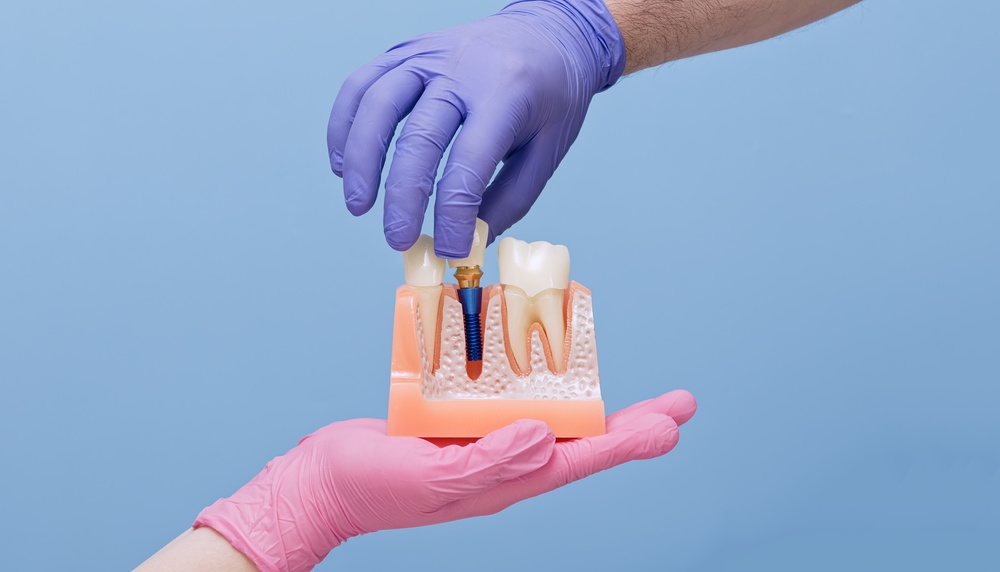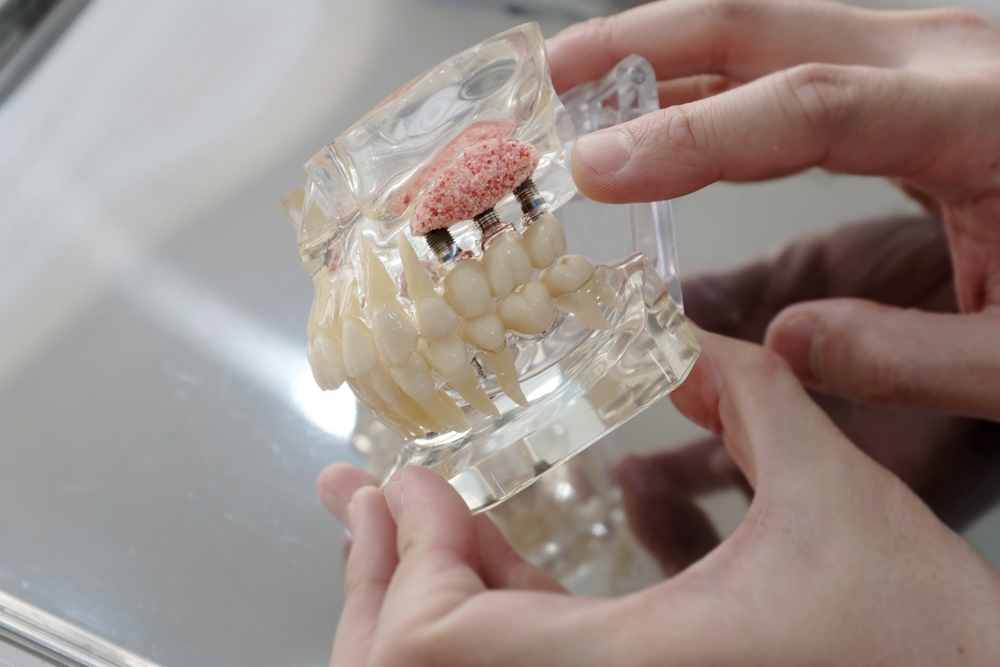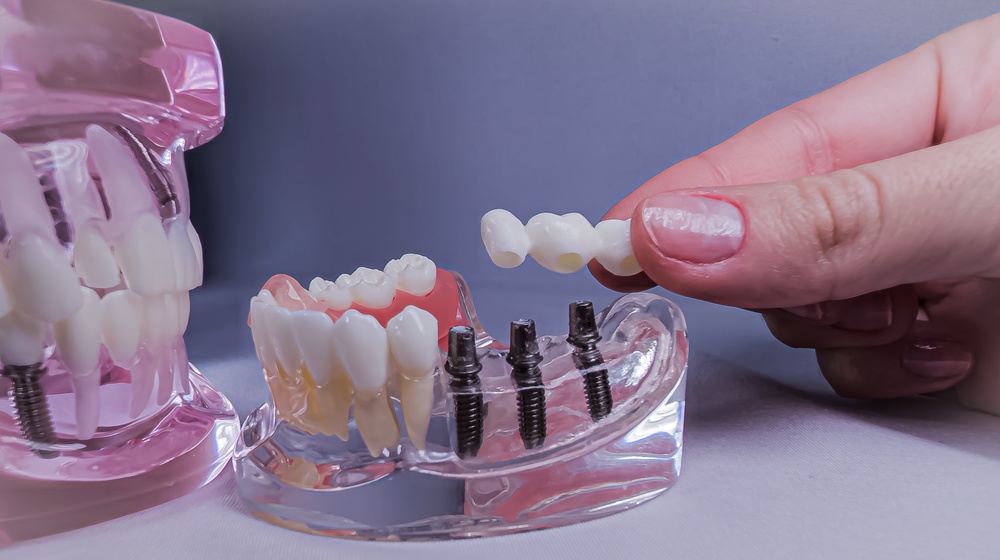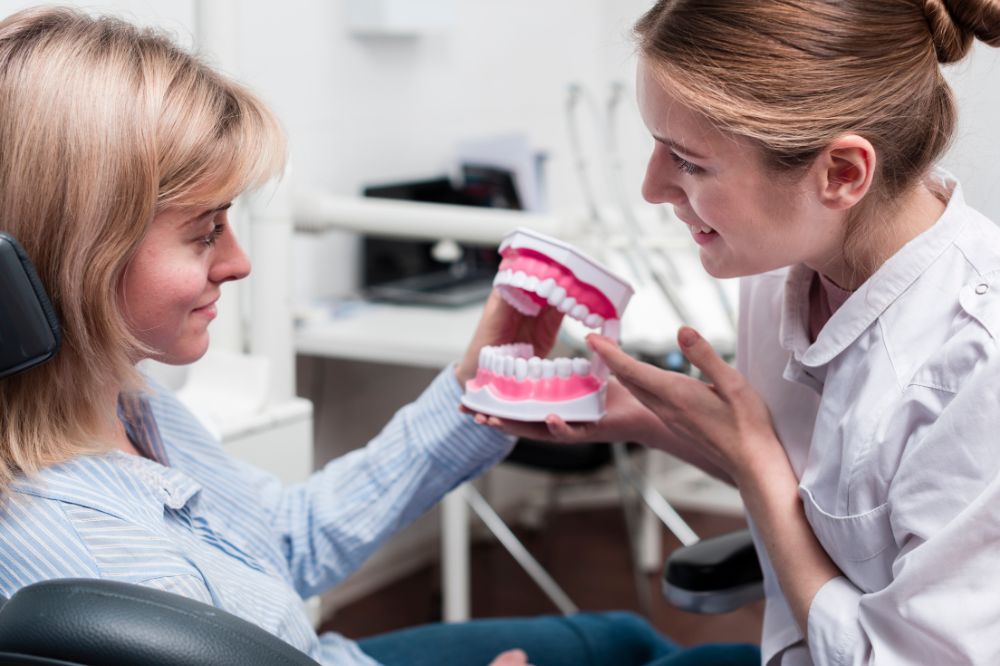
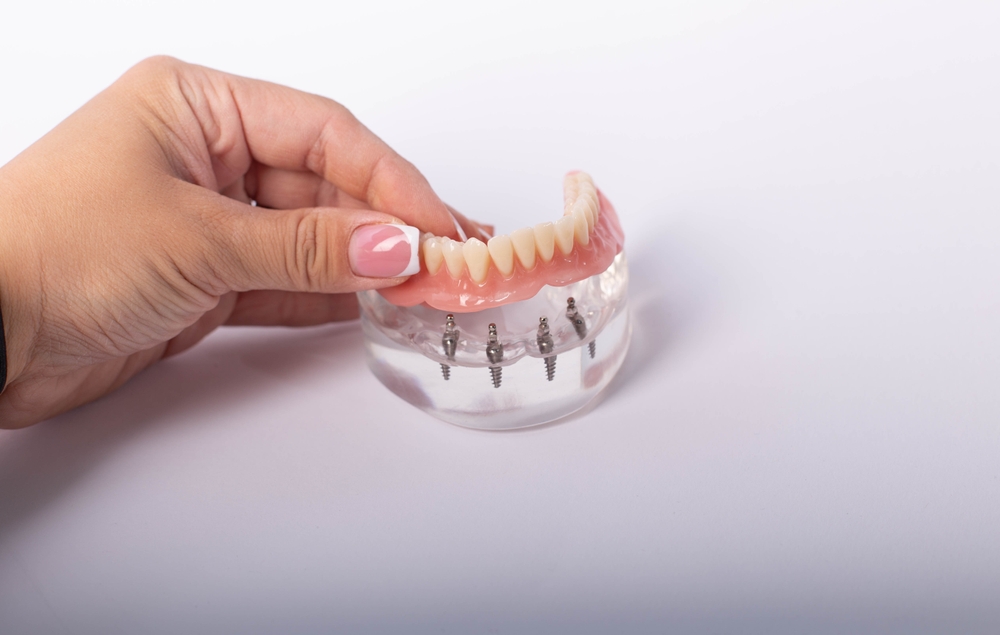
Once healing is complete, All-on-4 dental implants can help you eat a wider range of foods again. However, your diet may be limited during healing, and some foods may need to be avoided for a while. All-on-4 dental implants in Cookstown replace a full set of missing teeth and can support eating and speaking.
During the early healing stage, soft foods are usually easier to eat. As you heal, you can slowly add more foods. Follow your dental team’s instructions, as hard or sticky foods may put extra pressure on the healing area.
Is It Hard to Eat with All-on-4 Implants?
Eating may feel different at first, especially as you get used to your new teeth. The mouth needs time to adjust to the way the replacement teeth feel and work.
Once healing is complete, many everyday foods can usually be enjoyed. Starting with small bites and chewing slowly can make the adjustment easier.
Foods that may be easier to eat during the adjustment period include:
- Soft-cooked vegetables
- Eggs
- Fish
- Pasta
- Yoghurt
- Soft fruits
- Tender meats cut into small pieces
What Foods Should Be Avoided?
Knowing what foods to avoid with All-on-4 can help protect the replacement teeth and support comfortable eating. Very hard, sticky, or tough foods may place extra force on the teeth.
Foods that may need to be limited or avoided include:
- Hard nuts and seeds
- Ice cubes
- Very hard candies
- Sticky toffee and caramel
- Tough or chewy meats
- Foods that require a strong biting force
This does not mean these foods must always be avoided. The dental implant provider near you can provide guidance based on the stage of healing and the condition of the replacement teeth.
How Does Eating Change After Treatment?
Eating with implant-supported teeth can feel different from eating with natural teeth. The replacement teeth are fixed in place, but the sensation in the mouth is not the same as with natural teeth.
Taking smaller bites can make meals easier to manage. It may also help to chew food evenly on both sides rather than putting all the pressure on one area.
With time, eating can become more familiar. Any ongoing pain, movement, or difficulty chewing should be discussed with a dental professional.
How Can Good Eating Habits Protect Implants?
Food choices are only one part of caring for implant-supported teeth. Daily cleaning and regular dental visits also help maintain oral health and the condition of replacement teeth.
Helpful habits include:
- Cut harder foods into smaller pieces.
- Avoid biting directly into very hard foods.
- Chew slowly and carefully.
- Clean the teeth as instructed.
- Follow all post-treatment food instructions.
- Attend recommended dental checkups.
These habits can help reduce unnecessary pressure and make everyday eating more comfortable.
When Can Normal Foods Be Added?
The timing for returning to a regular diet varies from person to person. During healing, the dental team may recommend a soft-food diet and gradually allow firmer foods as healing progresses.
A dental implant provider in Cookstown can explain when different foods may be appropriate based on the treatment and stage of recovery. Trying to return to hard or chewy foods too quickly may interfere with healing or cause discomfort.
After the healing period, a wider range of foods can generally be introduced. Even then, extremely hard or sticky foods may still be best limited.
Move Forward with Confidence in Your New Smile!
Getting used to implant-supported teeth can take some time, especially when returning to a wider range of foods. The right guidance during healing and proper care afterward can help make everyday eating more comfortable and manageable.
My New Teeth can check your needs and answer your questions about eating with All-on-4 implants. Book your appointment to learn about your treatment options and how to care for your new teeth as you return to your normal diet.
FAQs
Can you eat normally with All-on-4 implants?
After healing, many people can eat most everyday foods with All-on-4 implants. However, very hard or sticky foods may still need to be avoided or limited.
How long after All-on-4 implants can you eat solid food?
The timing depends on how you heal. Soft foods are usually easier to eat at first. You can slowly start eating firmer foods when your dentist says it is safe.
Can you eat steak with All-on-4 implants?
Tender steak cut into small pieces may be easier to manage once healing is complete. Very tough meat that requires strong chewing may be harder to eat comfortably.
Can All-on-4 implants break from hard foods?
All-on-4 implants are made for everyday eating, but very hard foods may damage the replacement teeth or other parts. Avoiding very hard foods can help protect your new teeth.